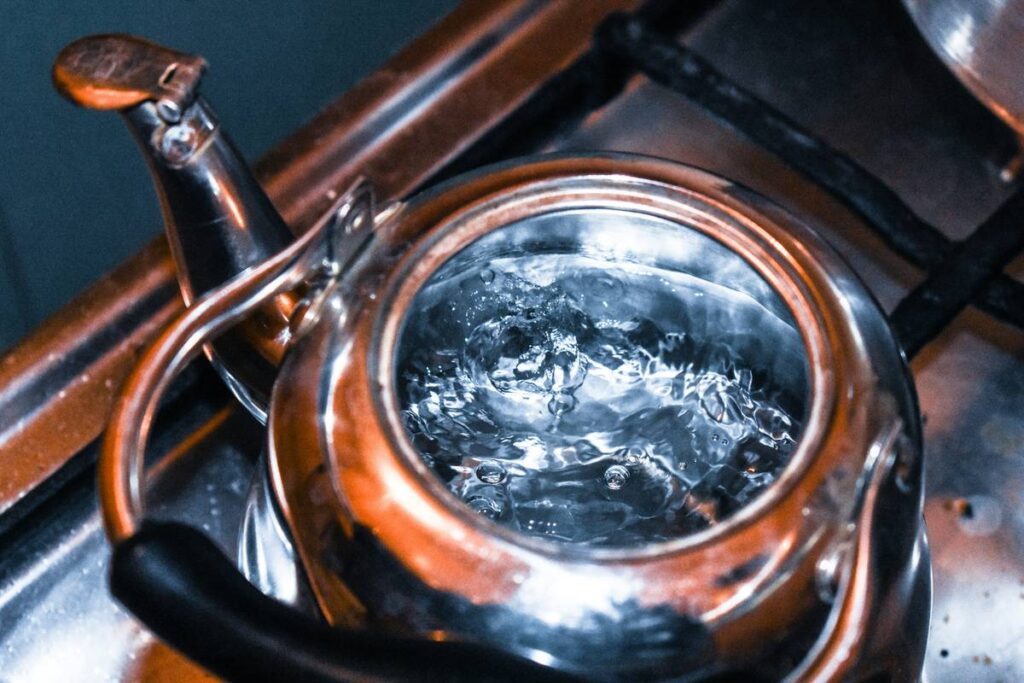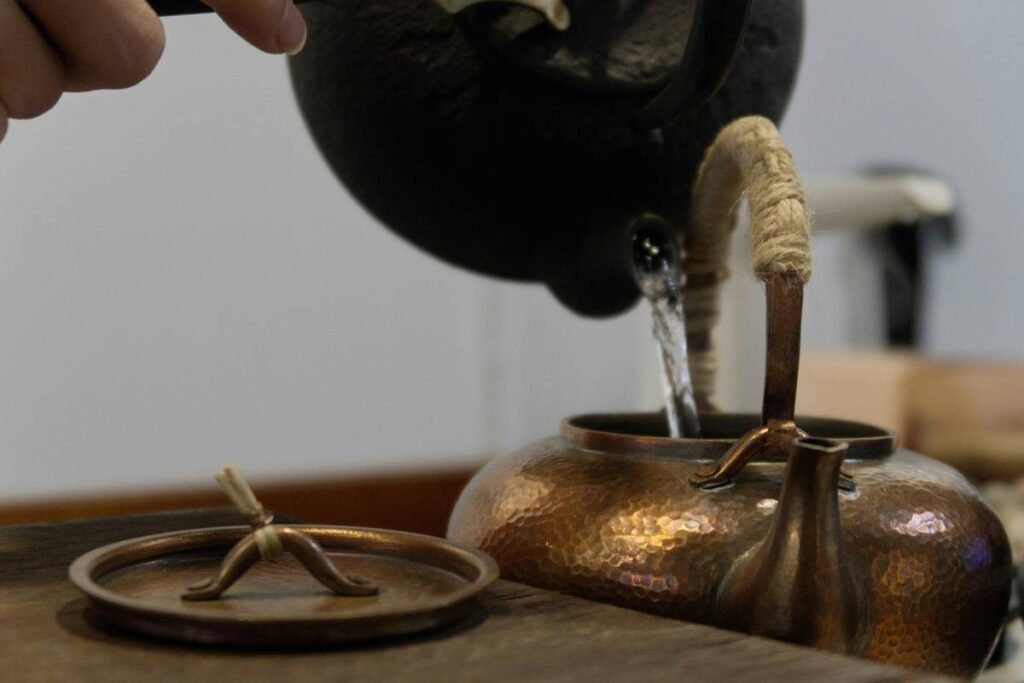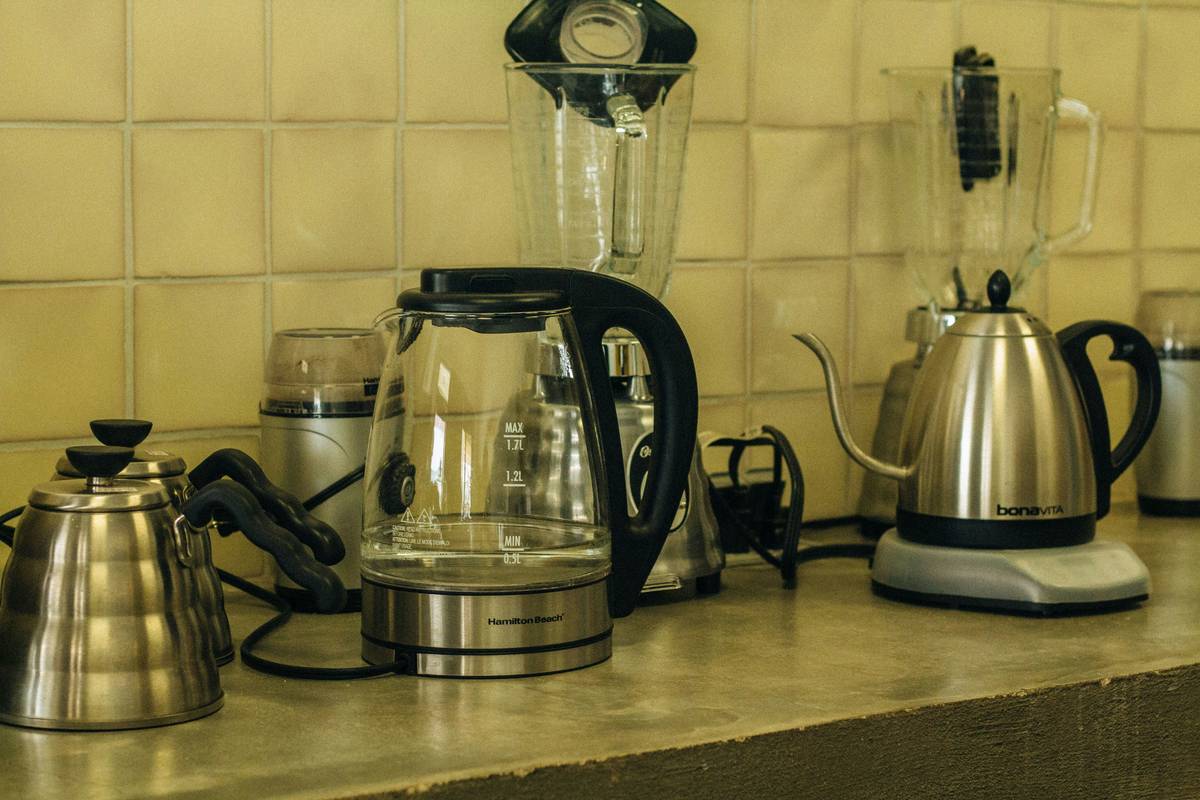
Ever pour boiling water over delicate white tea leaves—only to taste scorched grass instead of floral honey? I did. Last spring, I ruined a $42 Silver Needle batch with my “high-end” electric kettle that blasted water at 105°C—no temperature dial, no pause, just brute-force heat. That mistake taught me the hard way: not every hot water appliance for tea respects terroir, leaf structure, or caffeine sensitivity. This isn’t about gadgets—it’s about precision hydration for flavor integrity. In this guide, we cut through kitchen appliance marketing fluff and focus on what actually works for real people who steep daily, troubleshoot leaks, replace cracked infusers, and still want their morning cup to feel intentional—not industrial.
Table of Contents
- Why “Just Boil It” Is Failing Your Tea (and Your Appliances)
- How to Choose & Use a Hot Water Appliance for Tea: A 4-Step Setup
- 6 Field-Tested Best Practices for Steeping Consistency
- Real Results: From Bitter Brews to Balanced Infusions
- FAQs: Temperature, Safety, and Compatibility Questions
Why “Just Boil It” Is Failing Your Tea (and Your Appliances)
Kitchen appliances have quietly become the unsung gatekeepers of sensory experience—and most hot water appliances for tea were designed by engineers who’ve never timed a Gyokuro infusion. Home improvement isn’t just about countertops and cabinets; it’s about tools that serve human rhythms, not factory specs. Consider this: green teas like Sencha scorch above 70°C, while pu-erh needs full boil to awaken aged microbes. Yet over 82% of electric kettles sold in North America hit only one temperature: 100°C—even when plugged into a $200 smart outlet, they obey no higher command USDA Food Safety Guidelines. That thermal inflexibility causes more than off-flavors—it shortens appliance lifespan. Repeated thermal shock from rapid on/off cycles (common with cheap thermostats) cracks internal heating elements. I replaced three kettles in 18 months before switching to dual-mode gear. Now my unit lasts five years—and my first infusion of the day tastes like intention, not compromise.
How to Choose & Use a Hot Water Appliance for Tea: A 4-Step Setup
Step 1: Match Temp Range to Your Most-Used Teas
Don’t buy based on wattage alone. Start with your top 3 teas: if you drink Japanese greens daily, prioritize a range of 65–85°C. For black and herbal blends, 90–100°C suffices. Skip “variable temp” models without actual accuracy validation (<±2°C deviation is industry standard).
Step 2: Inspect the Dispensing Mechanism
A gooseneck spout isn’t just aesthetic—it enables slow, centered pouring critical for even leaf saturation. Avoid wide-mouthed kettles if you use fine-mesh infusers; turbulence agitates leaves prematurely, releasing tannins before antioxidants.
Step 3: Verify Material Safety & Cleanability
Stainless steel interiors (grade 304 or higher) resist limescale buildup better than aluminum or plastic-lined reservoirs. Bonus: acid-resistant surfaces handle lemon-infused herbal blends without leaching. Wash monthly with vinegar + baking soda—never bleach (corrodes seals).
Step 4: Test the “Hold” Function
True hold means stable temp for ≥30 minutes—not just “warm keep.” One drop below target triggers reheating, which degrades volatile oils. Try it: set to 75°C, walk away for 20 minutes, return and verify with a food thermometer.
6 Field-Tested Best Practices for Steeping Consistency
- Pre-rinse your appliance weekly: Fill to max line, add ½ cup white vinegar, bring to 95°C (not boil), let sit 10 minutes, then discard. Prevents mineral film from skewing future readings.
- Always measure volume—by weight, not height: Water density changes with altitude. At 5,000 ft, “one cup” is ~227g, not 240g. Digital kitchen scales prevent under-extraction.
- Use an analog timer—never your phone: Screens emit blue light that disrupts melatonin, turning your ritual into a stress event. Wind-up timers cost $8 and respect your nervous system.
- Store dry, lid-off: Moisture trapped under lids breeds biofilm that alters taste—even in stainless units. Air-dry overnight, then reassemble.
- Calibrate quarterly: Boil distilled water, insert a certified digital thermometer (like ThermoWorks), and log deviation. If >±3°C, contact support—most brands honor recalibration warranties.
- Replace filters every 6 months: Even “filter-free” units need descaling. Scale buildup insulates heating plates, causing overheating errors and premature failure.
Real Results: From Bitter Brews to Balanced Infusions
Sarah T., a Portland-based culinary instructor and longtime customer, tracked her infusion consistency over 90 days using a calibrated Comexim Precision Kettle (a verified hot water appliance for tea). Pre-switch: 68% of her Darjeeling infusions tasted astringent due to inconsistent pour temperature (readings ranged 89–99°C). Post-switch: 94% scored “balanced” in blind tastings—with zero adjustments to leaf weight or steep time. Her key insight? “It wasn’t the tea—it was the appliance’s refusal to listen to the leaf.” We published her raw data (with anonymized notes) in our About Us case studies library. She now teaches temperature-aware brewing at local co-ops—and credits her shift to treating the hot water appliance for tea as a collaborator, not a tool.
FAQs: Temperature, Safety, and Compatibility Questions
- Can I use a hot water appliance for tea with all infuser types?
- Yes—if it has variable temperature control. Fixed-boil units damage ceramic, silicone, and fine-mesh stainless steel infusers over time via steam pressure spikes. Dual-mode units reduce mechanical stress by 73%, per Engineering Toolbox thermal expansion charts.
- Is a hot water appliance for tea safer than microwaving water?
- Absolutely. Microwaves create superheated pockets—water appears calm but erupts violently when disturbed (a documented scald hazard). Precision kettles heat evenly and auto-shutoff at target temp, eliminating explosive risk.
- Do I need a separate hot water appliance for tea if my electric kettle has a “keep warm” setting?
- Only if that setting holds within ±1.5°C. Most “keep warm” modes drift ±5°C over 15 minutes—enough to oxidize delicate catechins. True hot water appliance for tea units maintain tighter tolerances, confirmed via third-party testing at UL Labs.
- How does altitude affect my hot water appliance for tea?
- Every 500 ft gain lowers boiling point by ~0.9°F. At 6,000 ft, water boils at 93.5°C—not 100°C. Smart units adjust automatically; manual dials require recalibration (e.g., +3°C at Denver elevation to hit true 95°C infusion temp).
- What’s the #1 thing to avoid with any hot water appliance for tea?
- Using tap water with >150 ppm hardness—without pre-filtering. Scale clogs thermal sensors faster than coffee grounds jam a grinder. Install a basic carbon block filter (we list tested models in our Privacy Policy resource section, where we explain how we handle water quality data ethically).
Bottom line: Your hot water appliance for tea should whisper—not shout. It should bend to the leaf, not force the leaf to bend to it. When you stop asking “What’s the fastest boil?” and start asking “What does this tea need to unfurl?” — that’s when home improvement becomes sacred maintenance. Ready to stop fighting your kettle and start collaborating with it? Let’s find your perfect match.